
DOWNLOAD OUR FREE GOLD INVESTMENT GUIDE
Lorem ipsum dolor sit amet, consectetur adipiscing elit, sed do eiusmod tempor incididunt ut labore et dolore magna aliqua. Ut enim ad minim veniam, quis nostrud.

.svg)
Buying gold coins in the UK involves choosing the right type of coin, comparing the full...
There are several ways to invest in gold, and they do not all involve buying and storing...
Gold investing refers to buying gold, either in the physical form of coins and bullion bars...
For most UK investors who want to own physical gold, the most straightforward way...
Explore the different ways UK investors can gain exposure to gold, including physical bullion, gold-backed exchange-traded products and shares or funds connected to gold-mining companies. Our guides explain how ownership, costs, liquidity, taxation and risk differ between these options. They also examine how gold compares with other assets and why no single approach is suitable for every investor.

Tell us what you’re looking for and a gold specialist will contact you to discuss your purchase options.
Buying physical gold involves more than choosing a coin or bar, with factors such as dealer premiums, buy-and-sell spreads, provenance, payment, delivery, storage, insurance and eventual resale all forming part of the decision. Our UK buying guides explore these practical considerations, distinguish bullion from collectable products and help you understand the complete transaction rather than focusing on the spot price alone.
Gold is often considered for diversification, as a tangible asset and during periods of economic or geopolitical uncertainty. However, its value can fluctuate, performance varies and physical ownership comes with additional costs and responsibilities.
Gold is often considered a long-term store of value during periods of inflation or declining purchasing power. However, its performance can vary depending on the price paid and the timeframe.
Gold can behave differently from shares and bonds in some market conditions, which may help diversify a broader portfolio. Correlations change over time, however, and gold can decline alongside other assets.
Central banks have been significant buyers of gold in recent years as part of their reserve management. However, purchasing levels vary and should not be seen as an indication of future gold prices.
Physical bullion offers direct ownership of a tangible asset, while also bringing practical considerations such as premiums, secure storage, insurance and eventual resale.

Gold has delivered consistent long-term appreciation while acting as a safe haven during market stress events.
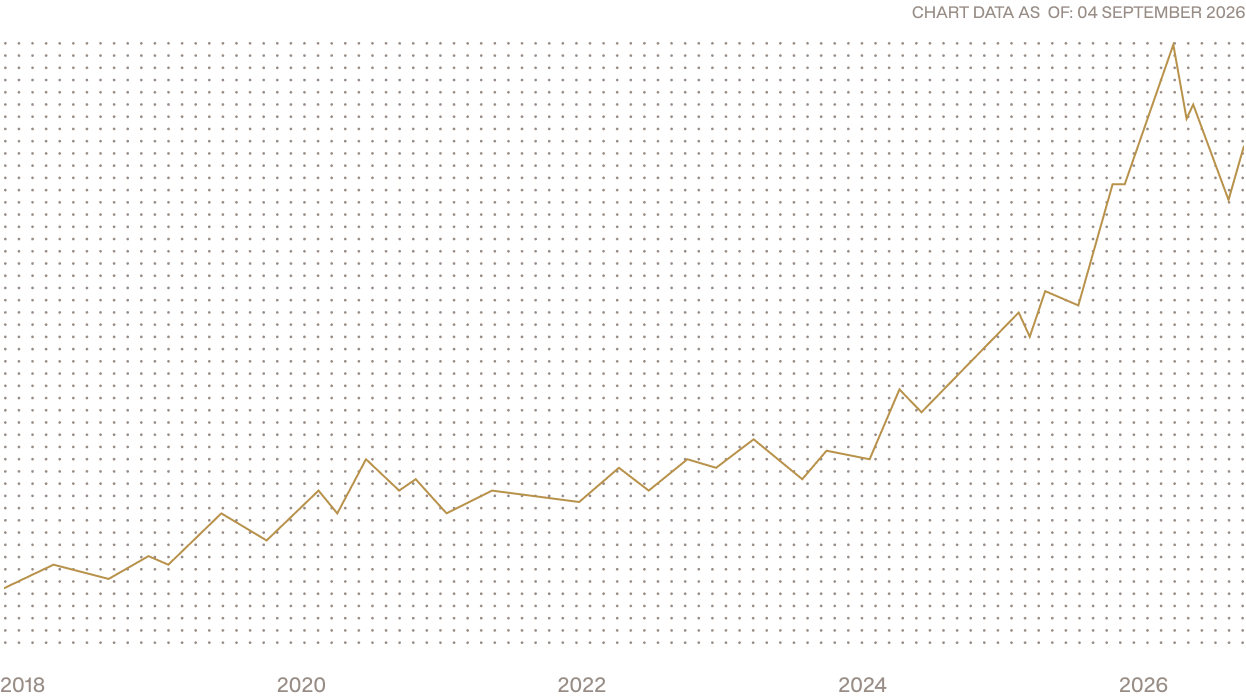
We don't offer a transactional service, we build relationships with investors who understand the long-term case for gold.
In-depth guides, market commentary and expert insight, from first-time buyer to seasoned portfolio investor.
Real-time gold pricing, technical analysis and macroeconomic context to help you act at the right moment.
Using gold, a non-correlated asset, to diversify your portfolio provides meaningful protection if equities and bonds decline simultaneously.
Transparent access to global markets, guaranteeing predictable, stable returns.
We guide you through every step of acquiring physical gold, from understanding the market to taking delivery or securing vault storage.
SPEAK TO A GOLD SPECIALIST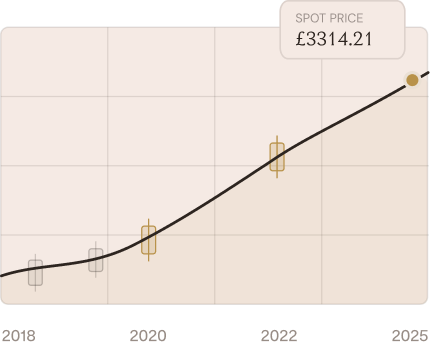
Gold has preserved purchasing power for centuries, outperforming fiat currencies during every prolonged inflationary cycle on record.
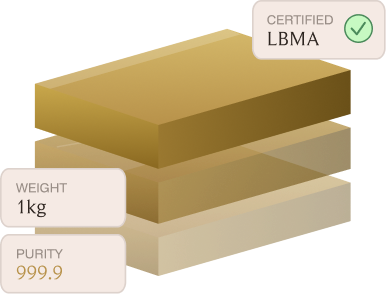
Investment-grade gold with full provenance. We guide you through bar selection, LBMA certification and all the delivery options available.
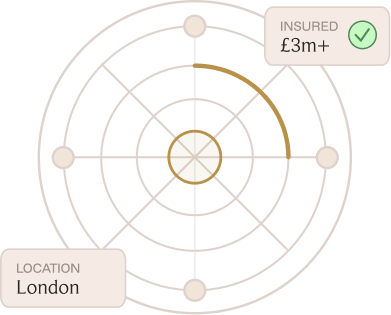
From home storage guidance to fully insured, independently audited vault partnerships, we help you find the right solution for your situation.

After acquisition, your specialist remains your trusted point of contact for market updates, portfolio reviews and any future bullion transactions.
Providing transparent pricing and a relationship-led approach, our team works with people who are looking to purchase gold as an investment and as part of a long-term wealth strategy.

Clear answers to common questions about gold investment and physical bullion. Follow the links within each answer for fuller explanations, comparisons and UK-specific guidance.
Disclaimer: We do not give investment advice. We only supply factual information on pricing and historical fluctuations